I Took ChatGPT to the Nordstrom Anniversary Sale. What Happened Surprised Me
Are you wondering what role AI can play in shopping for fashion? Here’s a hot take. Plus, implications for brands and retailers at the end!
I LOVE to shop online.
Especially for fashion…it’s so much fun. I could (and do) spend hours scrolling Pinterest, retailer web sites, Amazon, and even Reddit, TikTok and YouTube checking out what’s new, influencer picks, and reading/watching online reviews.
But, I hate returning stuff. Returning stuff is NOT fun – it’s deflating, time-consuming, and expensive. Because my “yield rate” on online fashion purchases is low, I’m a big returner! (My kids joke that I run a shipping and receiving department out of my house.)
The reason my yield rate is low? When I buy fashion online, there’s no critical friend/mom/sister companion in your ear saying “that won’t look good on you” or “that’s not really your color” or “where in the world would you wear THAT?” (**my biggest problem – fantasy clothes**:)) So I buy stuff that doesn’t fit my lifestyle, body, or climate.
ChatGPT, my new shopping friend
I’m a Nordy Girl. For this year’s Nordstrom Anniversary Sale, I decided to bring a “trusted advisor” along online with me: Enter ChatGPT.
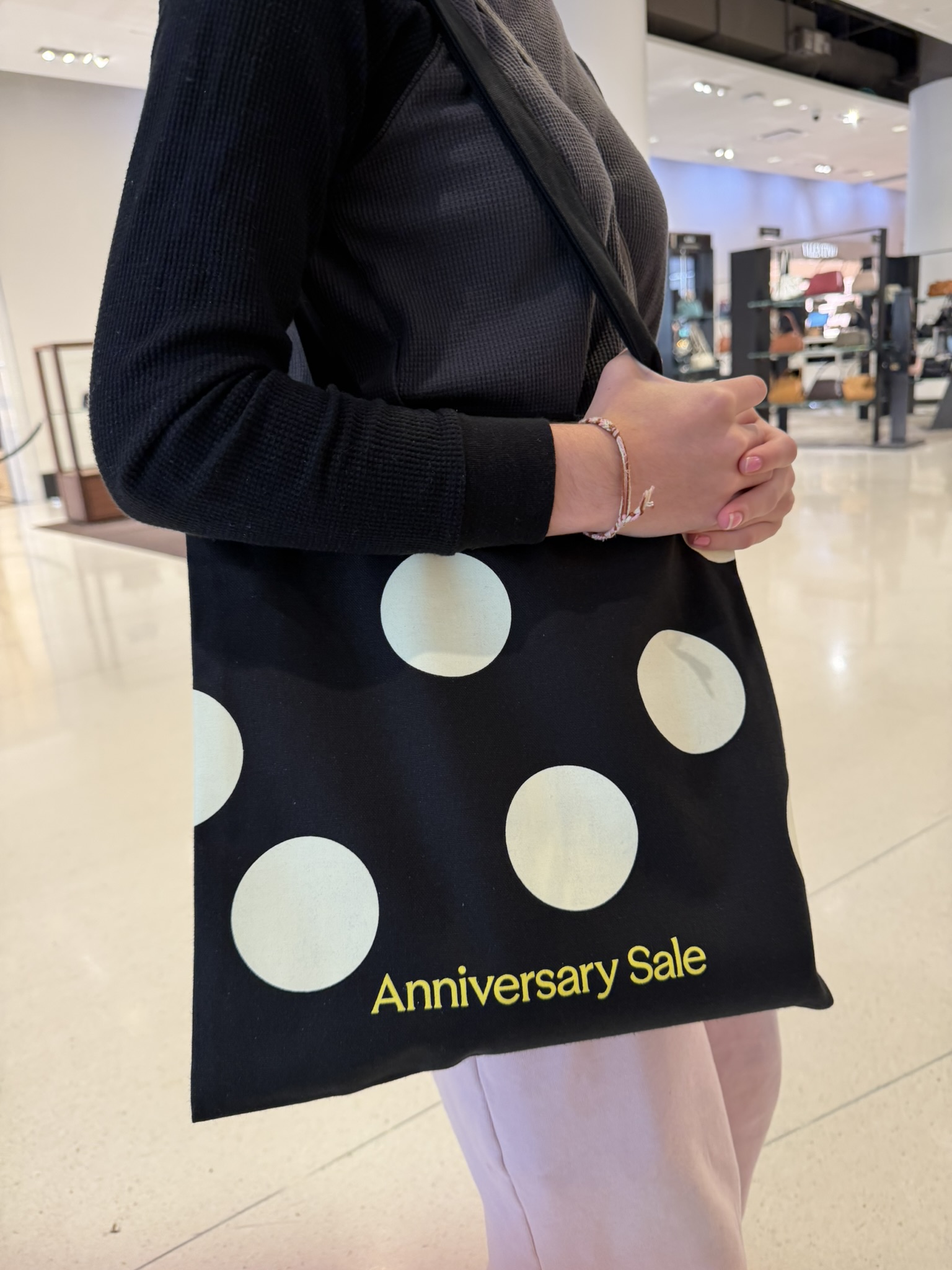
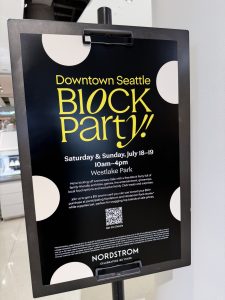
Shopping on/at Nordstrom Anniversary sale in Seattle is fun. It kicks off with a party in downtown Seattle, and there are events at the Seattle flagship and online for the whole month. There are lots of reasons to keep visiting the store and site, often resulting in many purchases.
Shopping ON ChatGPT? Well, it sucks. I think we can all agree on that. It’s boring and flat. There’s no community. No reviews with photos and videos, no “9 other people have this in their cart”, no alternate images, no Nordstrom stylist picks or video walk-throughs.
But shopping WITH ChatGPT? Turns out, it yielded my best Anniversary Sale experience yet!
I asked it to build me a personalized style profile
For ChatGPT to be a critical eye, it had to know ME. I asked it to guide me through a process to become my personal stylist. I uploaded many photos of fave outfits, myself, pinterest boards, and answered a number of questions about my body, personal style, lifestyle, preferences, and factors I used to determine what I bought.
Telling it what I often bought but didn’t wear, and why – as well as what types of things I often returned, and why – helped it build my profile even further.
It made me a personalized evaluation “rubric”
It then created a suggested rubric to use to understand what a “good match” would be:
|
Factor |
Weight |
What I’m evaluating for you |
|
Your style |
30% |
Does it feel effortless, chic, smart, modern, clean? Does it have the mix of polish and ease you like? |
|
Fit / proportions |
25% |
Likely to flatter at your measurements. Bust, waist placement, length, volume, etc. |
|
Comfort |
15% |
Can you reasonably sit, move and live in it? |
|
Lifestyle usefulness |
15% |
Is there a realistic place for it in your life? This does not mean everything has to work for Zoom + Green Lake + dinner. |
|
Wardrobe value |
10% |
Does it work with things you own? Is it filling a gap or unnecessarily duplicating something better? |
|
Specialness / joy |
5% |
Is there something about it that’s beautiful, fun, feminine, interesting or just makes you want to wear it? |
I tried – and failed – to have it select items for me.
Against my better judgment, I asked it to visit Nordstrom’s website ad select a few anniversary sale pieces for me. It wasn’t a great list. I found I didn’t trust it. Also, this approach meant I missed out on all the fun.
I changed my strategy – what if I did the shopping, and ChatGPT told me what NOT to wear?
I shopped my heart out
I got to work shopping on my own. I visited Nordstrom in-store and online and selected all the things that caught my eye. I made a big list of products, about 20-30, that were in my consideration set.
ChatGPT vetted my wishlist
I uploaded all of them to ChatGPT and asked it what I should order. It gave each item a score and tiered them into four groups: “Buy these”, “strong buys”, “nice-to-haves”, and “probably pass”. It also provided a brief rationale for the score in a no-nonsense style.
The results were incredible. It helped me whittle the list down to four core items. I ordered them all, and already, they have gotten a lot of wear. I even tested the model by purchasing one of the items it said to pass on due to potential fit, and it was right – it didn’t fit well, so I returned it.
ChatGPT for the win!
Where are we headed?
- AI isn’t a strong shopping destination, but it can be an excellent companion.
Amazon has already figured this out with Sparky, for example. You’ll note that Sparky sits on the side, like a trusted friend, vs. being the center of the experience.
While ChatGPT isn’t great at proactively selecting items, it was an excellent critic, unrelenting in its ability to evaluate items against my customized rubric. It wasn’t fazed by any persuasive messaging – it only evaluated items on their suitability to my specific needs.
2. The quality, quantity, and context of the retailer’s data were absolutely critical. Fabric content, cut, and shape were key parts of my rubric.
If the retailer/manufacturer data provided this context, AI was able to evaluate successfully against the rubric. If not, it went into the “probably pass” bucket.
Note that it’s top pick for me says that it “travels beautifully”, which must have been on the PDP or UGC.
3. Online shopping “manually” isn’t dead…yet.
I shopped the anniversary sale because it was fun, inspiring, and a social experience. An answer engine simply isn’t able to replicate or top that experience.
There’s also the issue of trust. I want to see the larger set of options firsthand. When I did ask the AI to proactively “find” me items, I didn’t trust the results. How could it possibly scour Nordstom’s entire digital catalog and know what I might like?
The future of AI in commerce might be AI acting as an educated and comprehensively structured critic – personalized for everyone.